TJNA strategic planning.
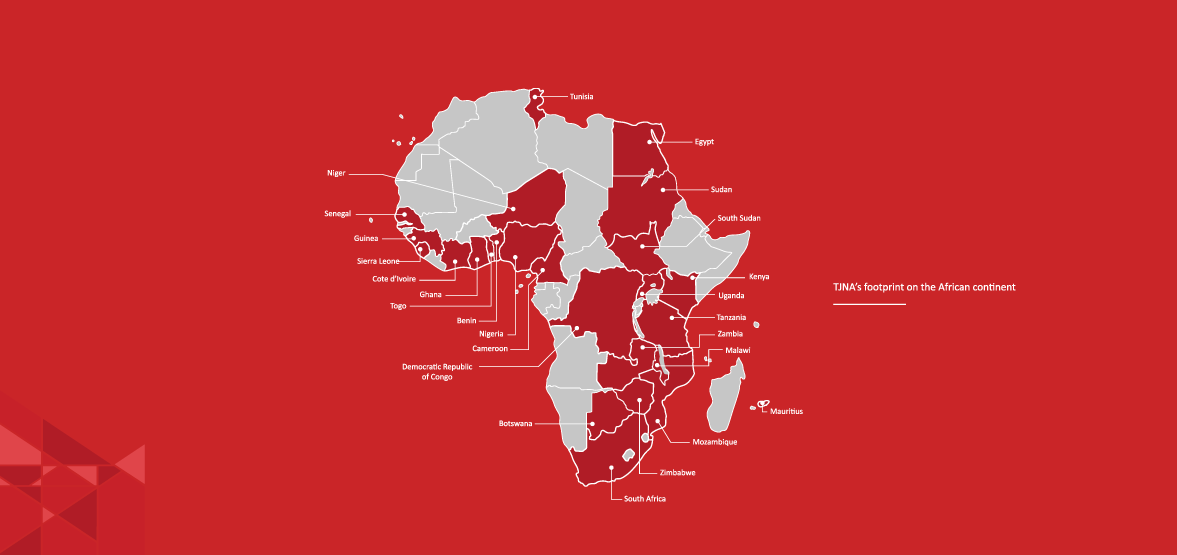
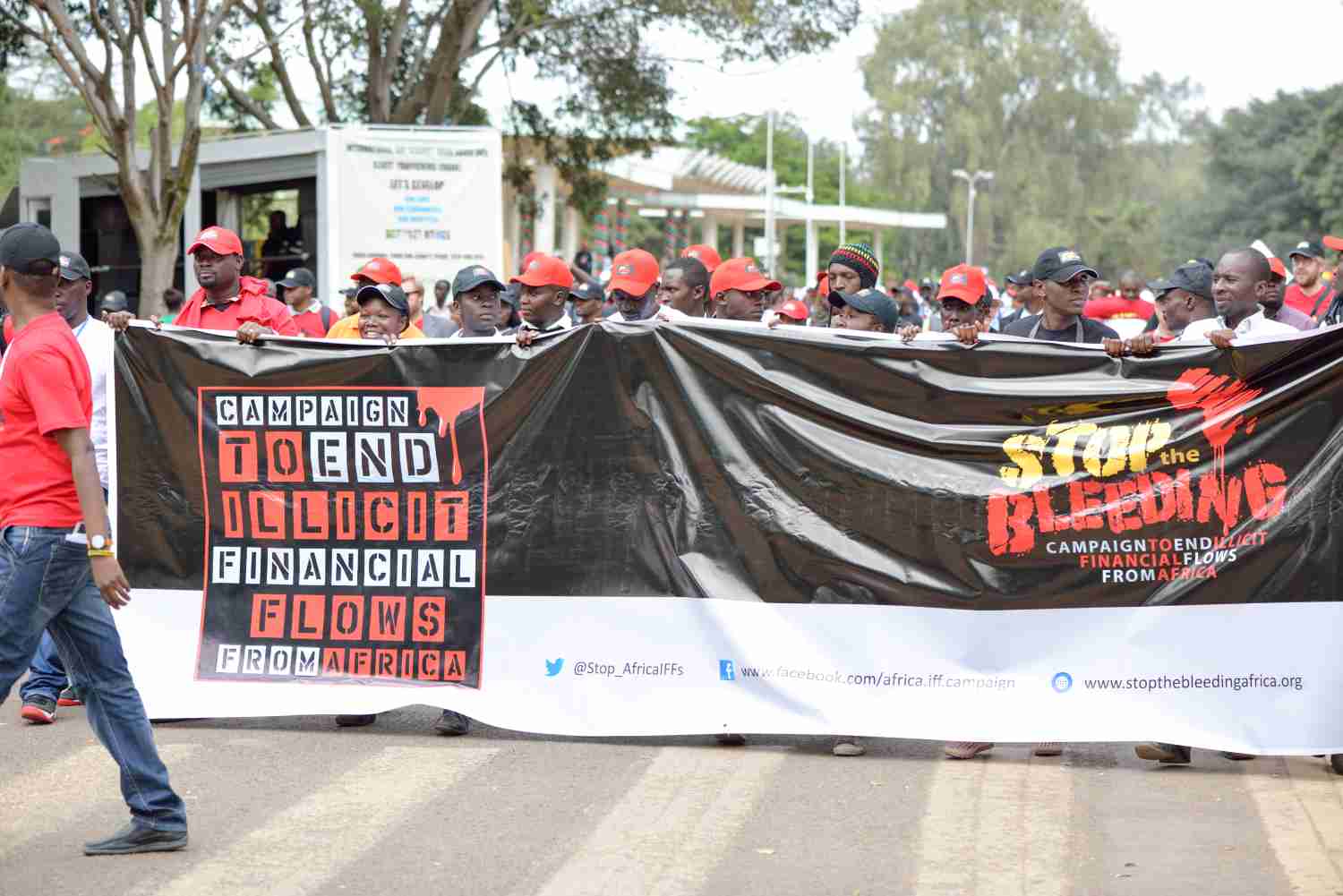
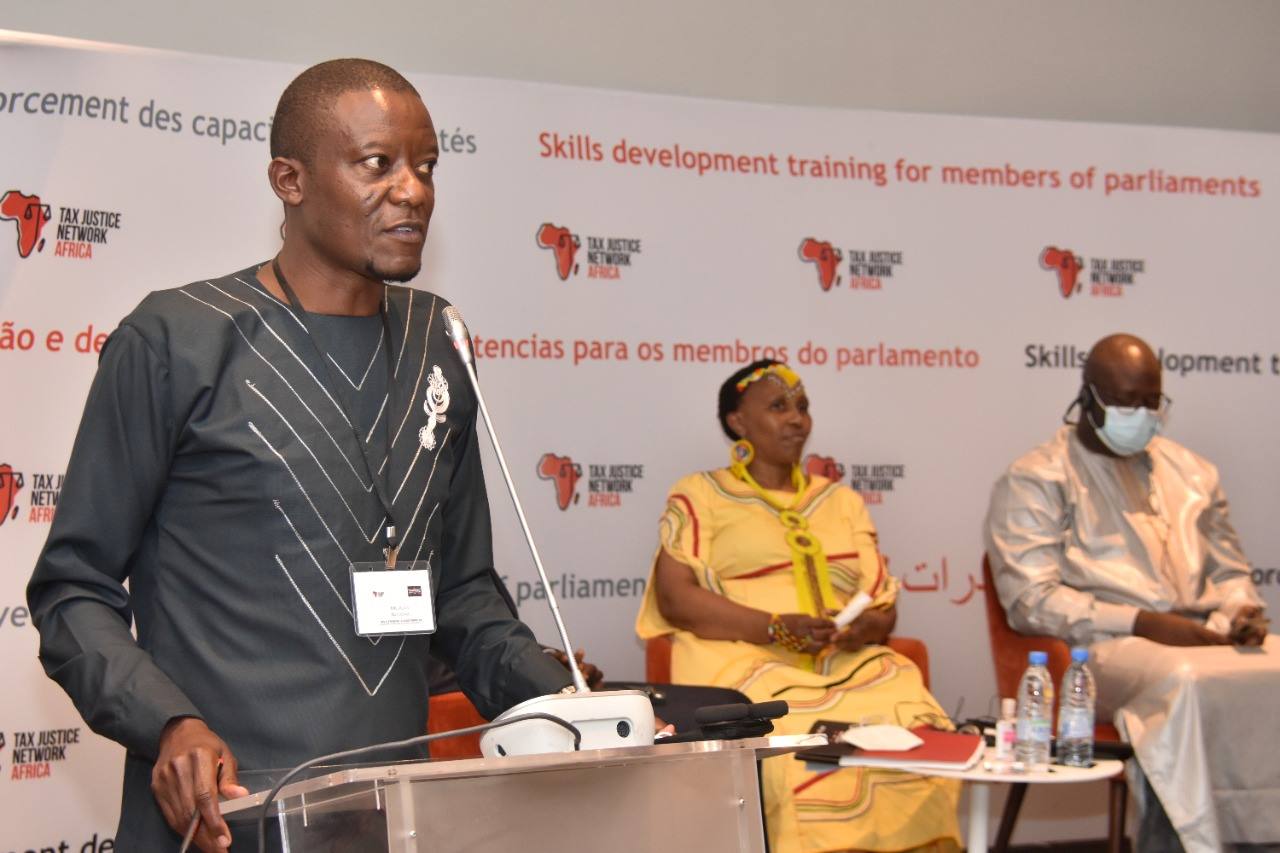
Tax Justice Network Africa (TJNA) is a pan-African organization that advocates for socially just, accountable tax systems in Africa. It works with various stakeholders, including civil society organizations, to promote fair tax systems and influence policy changes across the continent. TJNA plays a critical role in addressing illicit financial flows, tax evasion, and ensuring that African governments generate revenue in a way that fosters economic development and reduces inequality.
Objectives of the Consultancy
As a communication consultant, I was tasked with formulating a forward-looking communication strategy that aligned with TJNA’s corporate objectives for the period from 2019 to 2021. The primary goals were to:
- Enhance TJNA’s visibility within the media and among stakeholders across Africa.
- Increase engagement and membership, particularly through digital platforms.
- Establish TJNA as a leading voice on tax justice issues across Africa by improving its communication outreach and public relations efforts.
Process & Solution
The process of preparing the communication strategy was thorough and collaborative, focusing on several key components:
- Stakeholder Analysis & Corporate Objective Alignment:
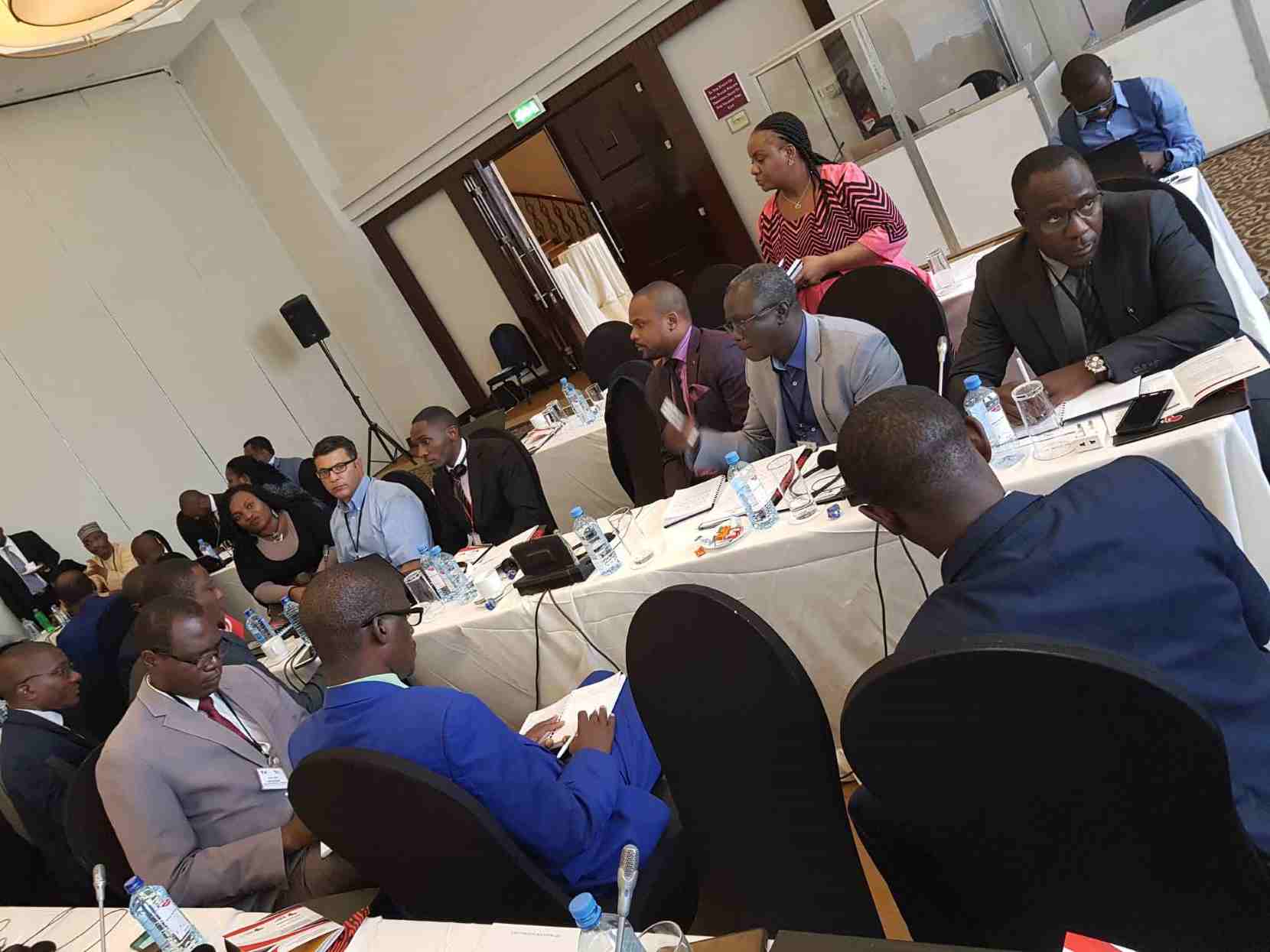
We conducted a thorough review of TJNA’s corporate objectives and engaged key stakeholders to ensure the communication strategy would effectively support the organization’s broader goals. This included consulting internal teams, external partners, and members to gather insights on the desired outcomes and the challenges they faced in communication outreach.
- Audience Segmentation:
A detailed segmentation of TJNA’s target audience was conducted to tailor messaging for different groups. This involved categorizing stakeholders into:
- Policymakers and governments: Influencing tax policy and legislation.
- Civil society organisations: Building coalitions for advocacy and action.
- Media and journalists: Enhancing visibility and promoting TJNA’s work through reputable platforms.
- The general public and taxpayers: Raising awareness on the importance of fair taxation and fiscal justice.
- Strategic Messaging:
We formulated core messaging that would resonate with each audience segment.
- Digital and Social Media Strategy:
Given the growing importance of digital platforms, the strategy emphasized increasing TJNA’s presence on social media and using it as a key engagement tool.
- Media Relations and Public Relations:
We provided strategic guidelines for developing TJNA’s media and public relations plan, which focused on increasing media engagement at both national and Pan-African levels.
- Monitoring & Evaluation Framework:
To measure the success of the strategy, we outlined a clear set of key performance indicators (KPIs) and proposed regular evaluations to track progress. Metrics included media coverage, social media growth, engagement rates, and the number of new partnerships formed. A formal evaluation was scheduled for the end of the three-year period to assess whether the communication efforts aligned with TJNA’s overall goals.
Challenges & Responses:
While developing the strategy, we encountered several challenges that required creative solutions:
- Access to Past Communication Information:
Due to the absence of a strategic communication approach in previous years, there was limited documentation of past communication initiatives. This posed a challenge in assessing the effectiveness of past efforts and learning from them.
Proposed Solution: To address this, we recommended implementing an internal communications audit moving forward, where all communication activities would be documented and evaluated. This would create a repository of information for future strategy development.
- Budget Constraints & Limited Communications Staff:
TJNA had a constrained budget and a small communications team, limiting its ability to execute large-scale campaigns.
Proposed Solution: We advised focusing on high-impact, cost-effective tactics, such as strategic partnerships with media outlets and civil society organizations to amplify reach. Additionally, leveraging the power of social media and encouraging internal capacity building for staff to effectively handle multiple communication tasks.
Results:
Though the consultant’s role was not involved in the strategy’s implementation, the evaluation later revealed significant results:
- 50% increase in visibility across various media platforms.
- First-time appearances in Pan-African media outlets such as Africa 24, Africa News, Jeune Afrique, and national outlets like Kenya’s Citizen TV and DRC’s RTNC.
- Social Media Growth: A 30% increase in social media followership, with notable platforms like YouTube and Twitter experiencing significant boosts in engagement:
- YouTube followership grew by 529%.
- Twitter followership grew by 66%.
Skills Demonstrated:
- Strategic communication planning.
- Audience identification and messaging.
- Media relations and PR strategy.
- Digital communication strategy.
- Problem-solving.
- Stakeholder engagement and consultation.